|
How it was done:
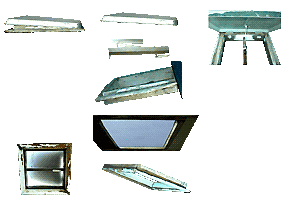
        Parts, layered ...
|
The front vent ...
|
|
|
|
|
|
|
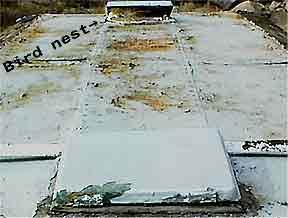
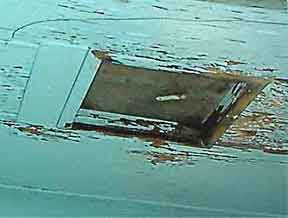
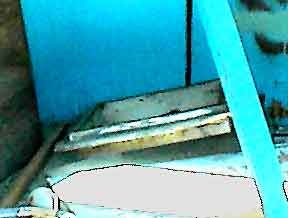
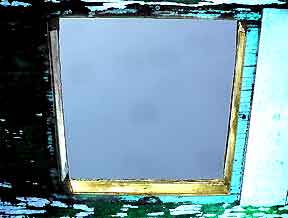
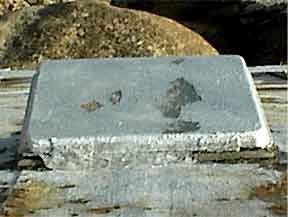
Removed vent. Screwed ceiling. Loosely laid lid over 14” hole
|
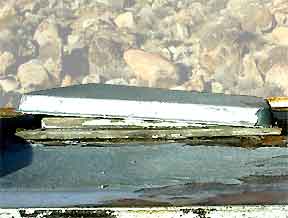
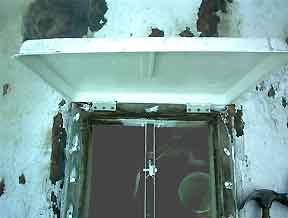
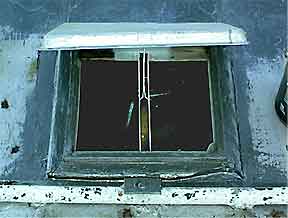
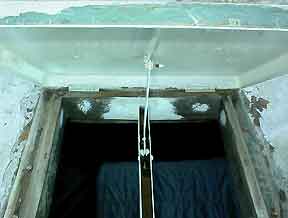
Exterior vent box, intact. All wood, includes steel arm crank mechanism
|
|
|
|
|
|
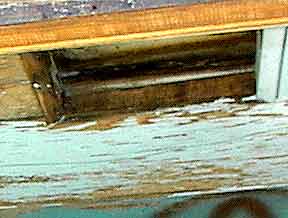
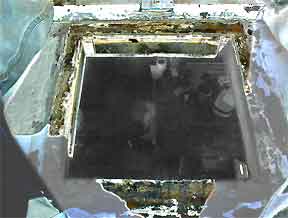
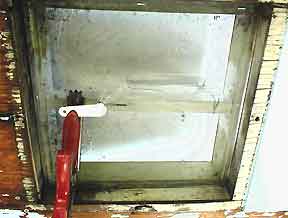
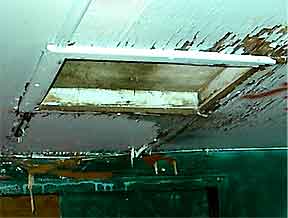
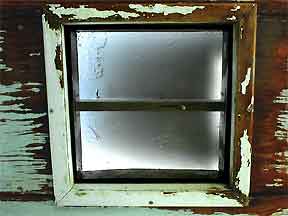
Only the trim remains of the interior box. The laminated wood sides fell apart
|
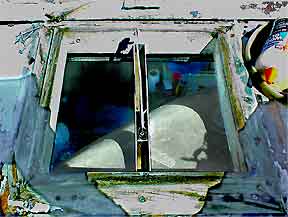
These next 3 shots have been contrasted heavily to pull detail out of the shadows ...
|
... as much as possible
|
|
|
|
|
|
Reattached with silicone, glue, toothpicks and screws
|
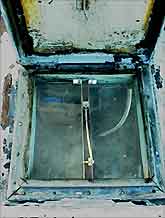
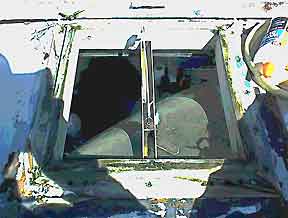
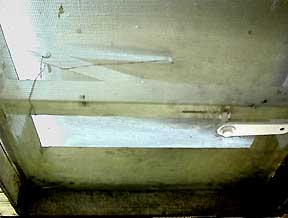
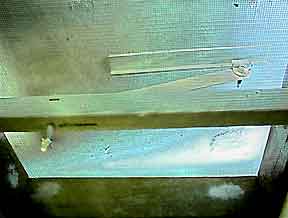
Steel lid includes welded hinges and central track for cranked arm to slide along
|
|
|
|
|
|
|
The arm did not get a good grip so wired it to stop it from flipping open in a high wind
|
Temporarily stapled screen to top box, though normally attached to bottom box
|
Will get back to this vent when I return
|
|
|
|
|
|
And the rear vent...
|
|
|
|
|
|
|
|
|
|
|
|
|
|
|
|
Still to do:
|
|
|
|
I would like to retain these vents because they are the original, but in terms of insulation and functionality, it may be more practical to purchase new “RV” vents.
If I do keep them:
tighten up the front vent’s mechanism,
find andattach a new handle to the rear,
build a new interior box for the front,
clean the copper screens,
insulate properly,
paint.
|
|
|
|
|
250: 2 1/2"
|
|
8 Oz (Pack of 6)
|
|
|
|
100 Grit, Pack of 100
|
|
|
|
|
|
|
|